8 Aloe Varieties For Every Setting And Zone
Aloe is a good option for most gardens. Whether you grow information technology in a container and go along information technology indoors, or you lot grow it on the porch, effectually the gazebo, or to punctuate the pathways in your garden, the aloe fits perfectly in every setting and design.
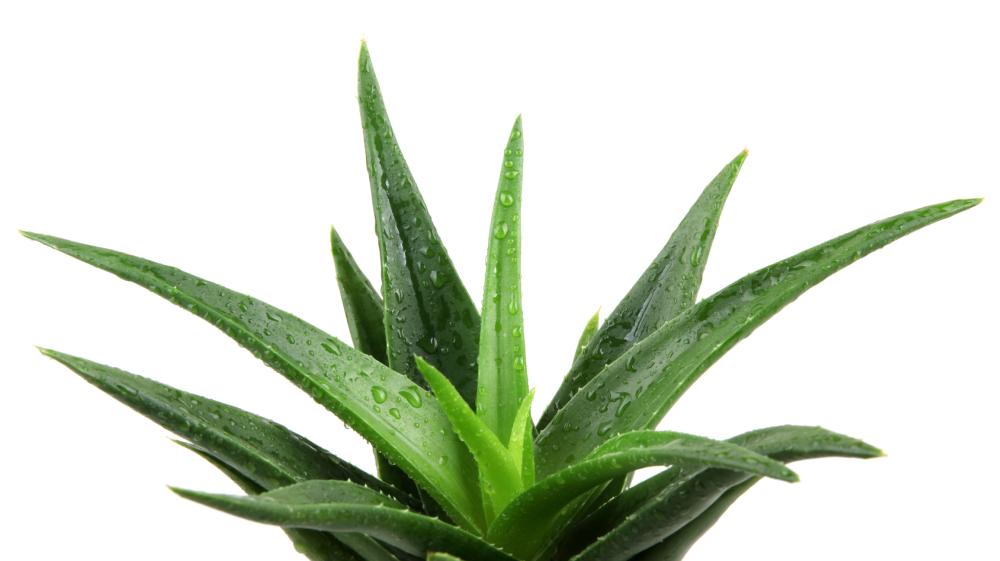
Besides its medical backdrop, the succulent is known for its hardiness, tolerance for different growing conditions, and ability to withstand sharp declines in temperature. Even the occasional frost fails to curb the aloe's enthusiasm and notorious willfulness.
For a popular succulent, the hardy aloe doesn't disappoint when it comes to variety. From the spherical aloes to the slender and thorny ones, this is a succulent that doesn't stick to one shape or size. It defies all expectations and tends to accept something for every taste and setting. Hither are some popular aloe varieties to grow in your garden or every bit houseplants.
Golden Toothed Aloe
Despite all the spikes that protect the prissy leaves of the golden toothed aloe (Aloe nobilis), the plant is total of charm. A perennial delicious that hails from South Africa, this aloe grows well in zones nine to 11 as it prefers hot and barren climates. It'south a small aloe that grows between 7 to 12 inches above the ground, but when planted in groups or to line upward your rock garden sections, information technology adds dramatic colors to the drab settings.
The flowers sally in the summer on top of a long spike that towers over 2 feet. By keeping the flower away from the abrupt thorns, the institute ensures that pollinators would practice their job in peace. The flowers are orange and have striking tubular shapes. Y'all can pair it with other succulents that favor the same sandy soil. In the summer, you should provide the aloe with fractional shade since directly exposure to the afternoon sunday can damage the rosette and requite the leaves a haggard appearance.
Short-Leafage Aloe
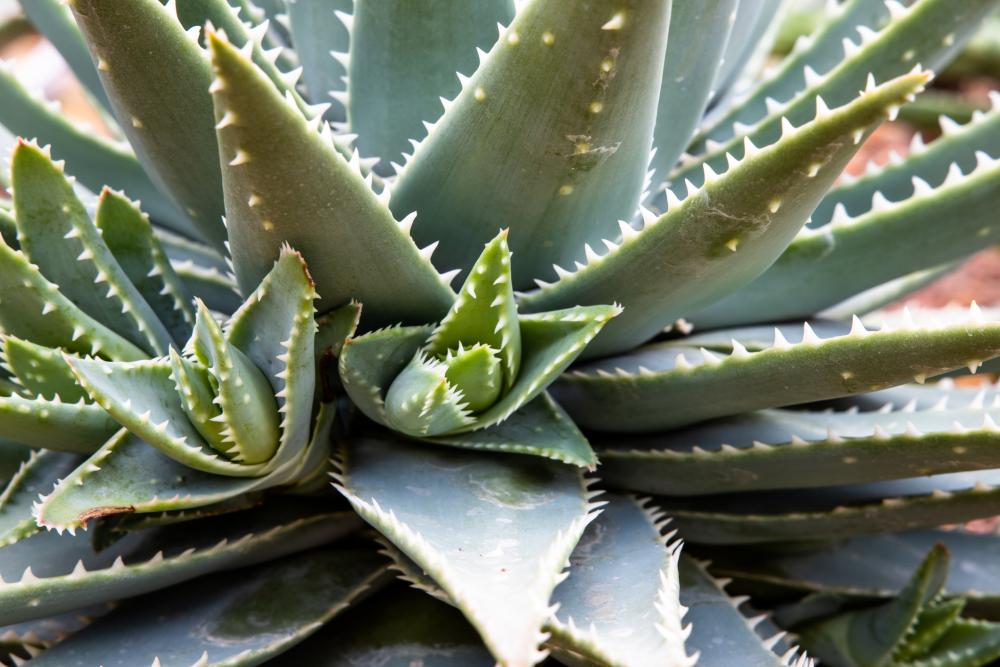
Speaking of minor aloe varieties, the curt-foliage aloe (Aloe brevifolia) truly has short leaves and a minor rosette. The mature plant doesn't grow an inch over 4 inches. It hails from Due south Africa and has the trend to develop suckers from the rosette. If you don't cut off the suckers, they'll constitute in the soil every bit separate rosettes of their own. Incidentally, these suckers are the easiest way to propagate the curt-leaf aloe since they're ready for planting without much encouragement.
Despite the intimidating appearance of the short and stocky rosette, the leaves are by and large harmless to the affect. Meaty and short, the low-cal green and waxy leaves are peppered with white thorns. Simply they're soft thorns that curve nether pressure rather than pierce the pare.
The flowers announced on elevation of long spikes in November (late spring in South Africa). They are vivid carmine and concenter many pollinators. The delicious grows well in zones 8 to xi and prefers partial shade and rich, sandy soil. Most wildlife will non go near the plant.
Ruby Aloe
While almost succulents are either green or green-blue, the aloe stands out every bit a plant with a more diverse color palette. The cherry aloe (Aloe cameronii) is a testament to the aloe'due south multifariousness. And despite the name, the rosette with its long and curved leaves are not entirely red. The heart of the rosette is oft vivid green that blends into striking carmine as the leaves taper off about the pointy ends. Young leaves are pure green, while older leaves become speckled ruby-red.
The cherry aloe rises between one to two feet higher up the ground and spreads out to cover between 2 to four feet in diameter. It's a showy and ornamental institute that makes you stop in your tracks to admire this colorful spectacle.
You can grow the red aloe in sandy and well-tuckered soil. Even soil dotted with gravel is a good pick for this hardy aloe. It grows well in zones 9 to 11 and prefers full sun exposure. Choose a spot facing the south or w, or place it on a window sill that gets the afternoon sun. As long as the aloe gets 8 hours of sun every mean solar day, it will advantage y'all with carmine-orangish flowers growing on top of slender spikes.
Lace Aloe
Dainty, fragile, and intricate, the lace aloe (Aloe aristata) is the type of aloe you lot don't get bored admiring. Female parent Nature outdid itself, creating this aloe. Native to Kingdom of lesotho, South Africa, this succulent grows in zones 7 to x. But even if the winter gets too cold, this aloe can tolerate temperatures around 19 degrees F. It's a small aloe that grows between 7 to 10 inches high. So y'all'll need to grouping a bunch of lace aloes together to create a canvas of bluish-green miniature designs.
But all that beauty is well protected with sharp thorns that surround the edges of each leaf. The blossom, still, grows on top of a tall spike equally usual. It's bright cerise and attracts birds besides every bit bees and butterflies. That said, you need to keep water away from the rosette and avoid planting it in clay or heavy soil since the heart of the rosette is prone to rotting hands.
Tiger Molar Aloe
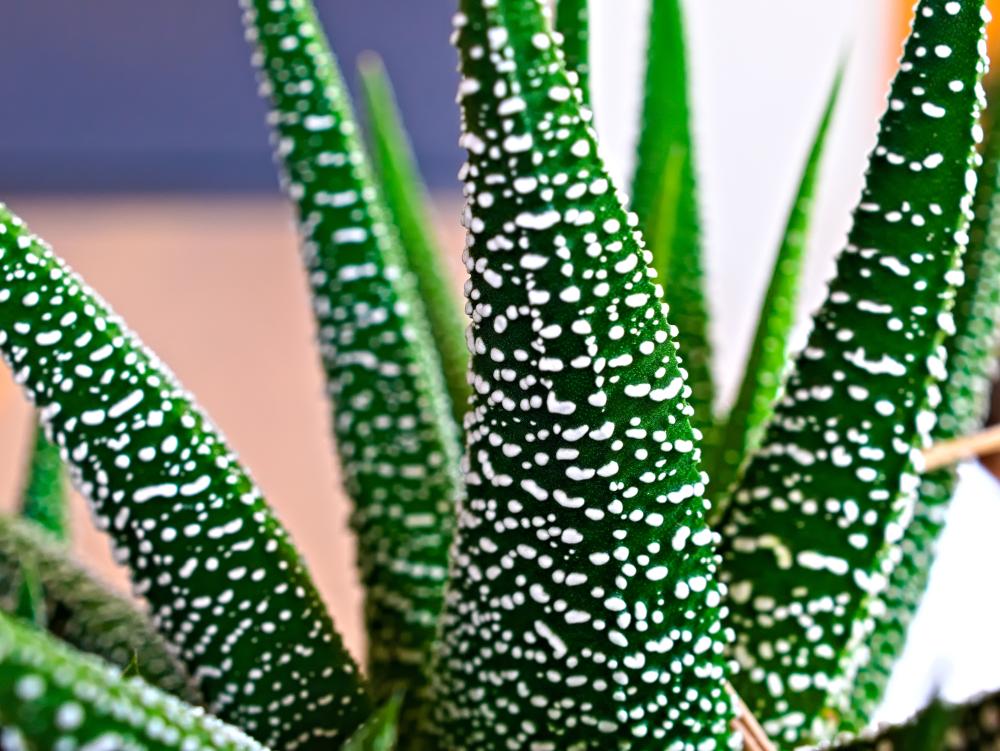
The tiger tooth aloe (Aloe juvenna) looked like a tiered live structure designed by a skilled albeit whimsical architect. The curt and pointy leaves are bright dark-green with white spots on both sides. Information technology's one of the few aloes that abound more vertically than horizontally. This allows you to plant more than than one aloe in the same pot.
The leaves, as expected, are lined up around the edges with yellow thorns. But the thorns are soft and actually add beauty to the spotted light-green leaves. And every bit a native of East Africa, information technology is used to hot and dry climates. And so you tin can but grow it outdoors in zones nine to 11.
Being a tiered aloe, it might come as a surprise to you to know that the mature tiger tooth aloe doesn't grow over 9 inches on average. And then perhaps naming information technology tiger molar has to do more with the size of the leaves than the harmless and decorative thorns.
One matter to watch out for is the fashion this aloe tends to produce a lot of pups. They usually grow out of the bottom tier and immediately aim for the soil to establish roots and start new towering rosettes. So regular pruning of the pups in the late summertime will keep the plant trim and in good shape.
Sunset Aloe
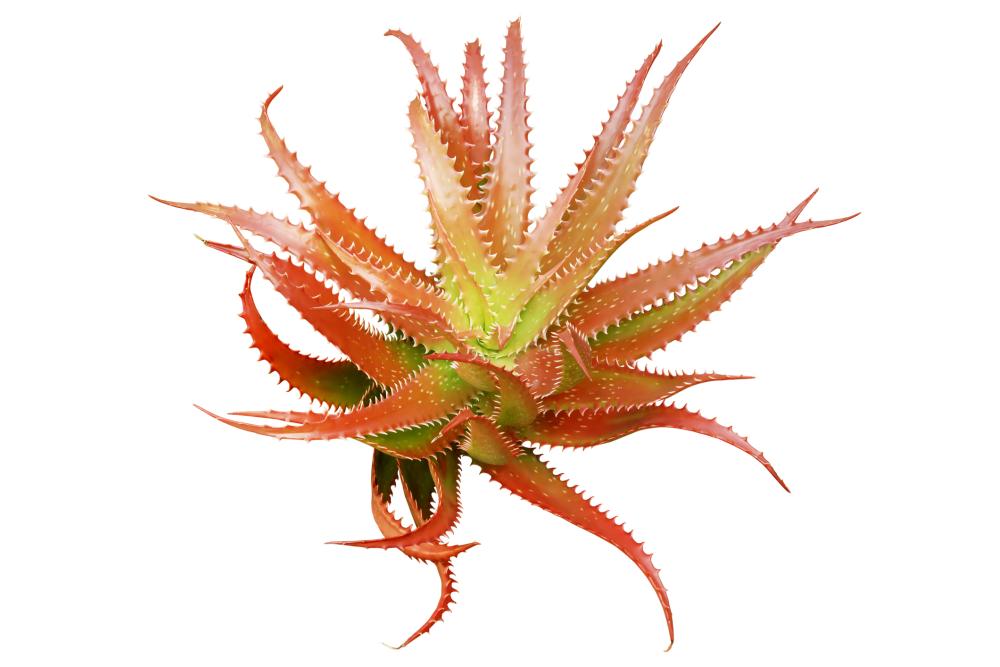
The sunset aloe (Aloe dorotheae) is some other colorful succulent that dips its brush in red shades and paints itself orangish-red. Unlike the ruby-red aloe, the leaves of this aloe have the same color regardless of their historic period. Even the robust thorns on the edge of the leaves are crimson. Only the marks in the heart of the leaf are creamy-yellowish.
The only part that doesn't follow the same color pattern is the blossom. Information technology grows on a spike and turns dark-green-yellow equally presently equally information technology opens. And if y'all don't spotter out, the sunset aloe volition multiply and send its pup to reclaim every inch of soil available in your garden. Then trim off the pups as soon as they emerge.
Another catch is the full sun. The dusk aloe, every bit the name suggests, basks in the sunlight and needs at least eight hours of full lord's day exposure. Otherwise, those captivating flowers will fail to grow and open. You should plant it in a spot that gets total afternoon sun without whatsoever trees or structures coming in the way.
A native of Tanzania, it averages 10 inches in acme and sometimes tin accomplish 12 inches. If yous live in zones x or 11, you can grow it outdoors without issues.
Spiral Aloe
If you're looking for stunning symmetry and geometrical perfection, the screw aloe (Aloe polyphylla) delivers on both accounts and and so some. A native of South Africa, this aloe is both compact and evergreen. Its intricate designs and curt and chubby leaves have won it many gardening awards.
If y'all're new to the world of succulents in full general and aloes in particular, and y'all can't decide on a unmarried aloe variety to starting time in your garden, the spiral aloe comes highly recommended. The mature plant reaches one pes tall and twice that in width. And despite the intricate blueprint, there are five rows of leaves in the rosette. Just rather than circling the heart of the rosette as many aloe varieties do, the spiral aloe creates a fantastic spiral of light dark-green leaves with white thorns around the edges.
The aloe grows well in zones 9 to 12 and prefers sandy soil with some gravel or pebbles in it. As long equally the soil texture is loose and well-tuckered, you won't have problems with this aloe. You can establish information technology on borders and slopes. It's ideal for stone gardens and can be the focal point in succulent gardens.
Other advantages to growing the screw aloe are resistance to wildlife, illness resistance, and its high tolerance to drought and high temperatures. The 1 thing to avert is sprinkling water on the leaves or the heart of the spiral. That leads to crown rot which ruins the mathematical precision of this succulent.
Soap Aloe
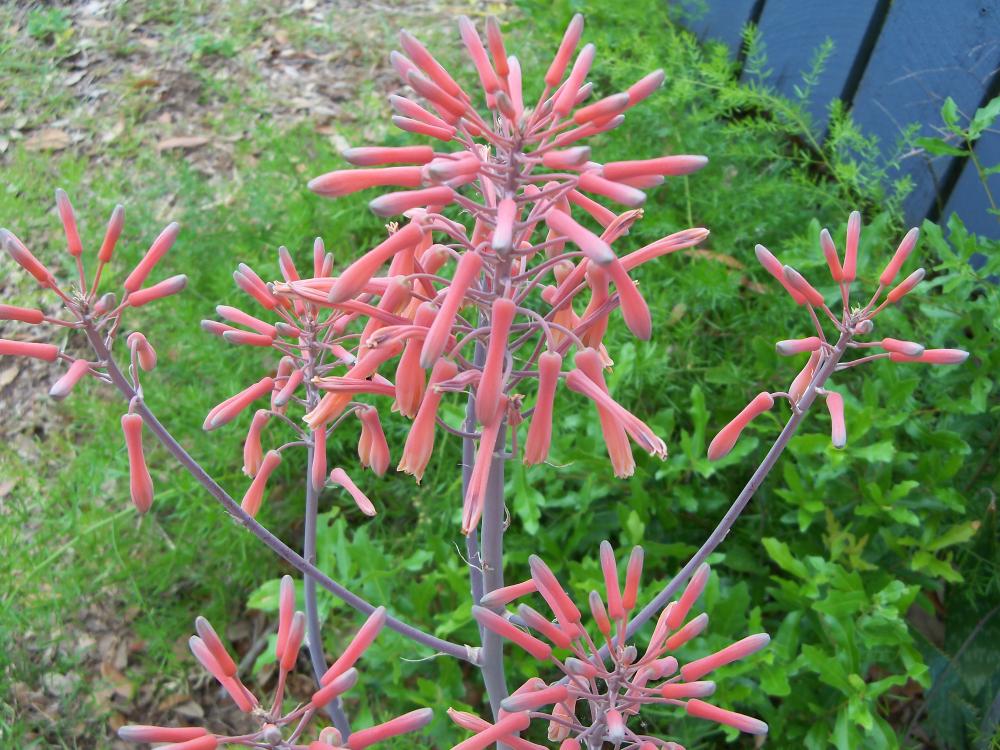
One matter that has to be said almost the botanists who named aloe varieties, they sure struggled to come upward with unique and descriptive names for the new species they discovered. The soap aloe (Aloe maculata) is a case in point. Although for all purposes and appearances, it looks just like whatsoever other aloe variety with its long and tapering blueish-green leaves with the usual white markings and brusk thorns, it'due south anything but.
Once the rays of the sun hit the plant, the dark-green leaves turn purple-red. Then you e'er have the selection to keep it green-blue past planting it in partial shade or giving information technology peppery colors past exposing it to the total dominicus. The mature plant grows to three feet loftier and blooms many times in the twelvemonth. The flowers are orange and vivid, which attract plenty of pollinators to the garden.
A native of the southern parts of Africa, information technology grows well outdoors in zones 8 to 12. It has a high tolerance for excessive rut, but a sudden drop in temperatures can cause the establish to get into dormancy. If the cold weather persists, the tips of the leaves plow purple. Sometimes the tips volition shrivel and die merely without whatsoever impact on the residuum of the rosette.
Lather aloe is platonic for rock gardens, coastal gardens, succulent gardens, and even as an exotic addition to tropical gardens. There are no known diseases that target this aloe, and information technology'south practically pest-free. Most pests will slide over the waxy leaves and tumble to the basis. And then it doesn't need much care, and it won't put you out.
Source: https://www.diys.com/8-aloe-varieties/
0 Response to "8 Aloe Varieties For Every Setting And Zone"
Post a Comment